Mold Restoration in Essex County, NJ
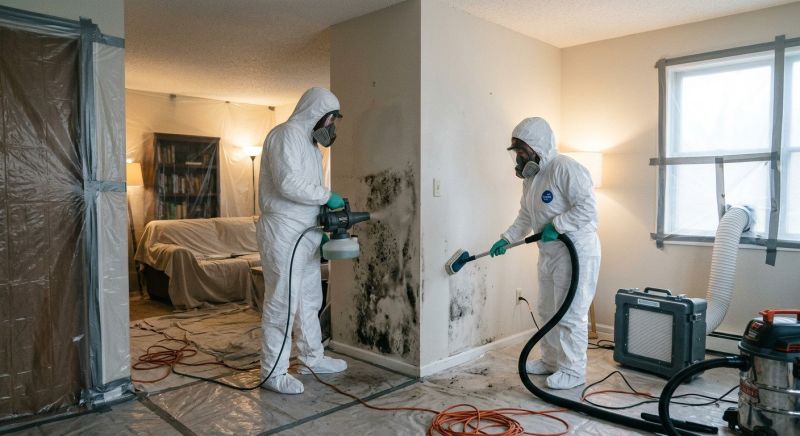
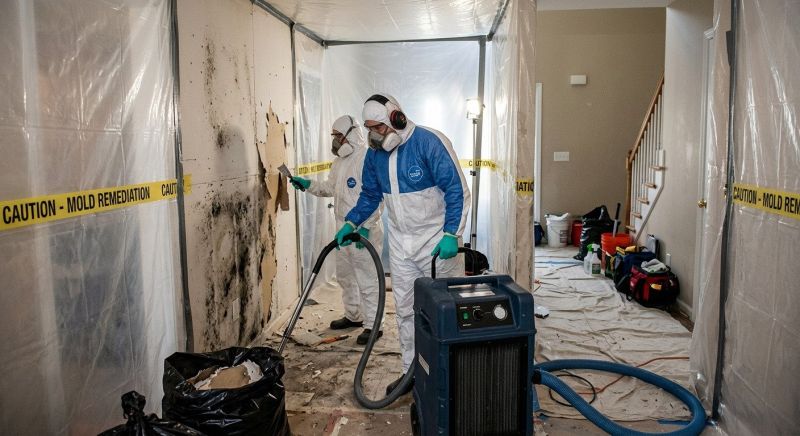
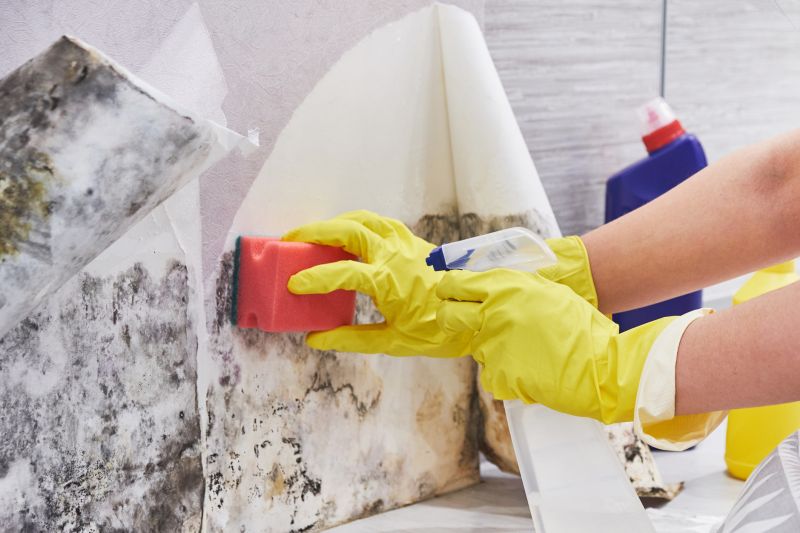
Mold restoration services focus on removing mold growth from residential properties and restoring affected areas to a clean, safe condition. This process typically involves identifying sources of moisture that promote mold development, carefully removing visible mold, and cleaning or treating surfaces to prevent future growth. Projects often include mold removal from walls, ceilings, basements, attics, or HVAC systems, especially in cases where water damage, high humidity, or leaks have created favorable conditions for mold to thrive.
Homeowners considering mold restoration usually want to understand the extent of mold presence, the types of materials that can be affected, and the steps involved in safely removing mold from their property. It’s important to assess whether the mold growth is confined to specific areas or widespread, as well as to determine if structural repairs or moisture control measures are necessary to prevent recurrence. Proper evaluation and treatment are essential for maintaining a healthy indoor environment and protecting property value.
Many property owners in Essex County, NJ look into Mold Restoration for repairs, replacements, upgrades, and appearance-related improvements.
Mold Damage Assessment
Identifying hidden mold growth in homes and commercial properties throughout essex county.
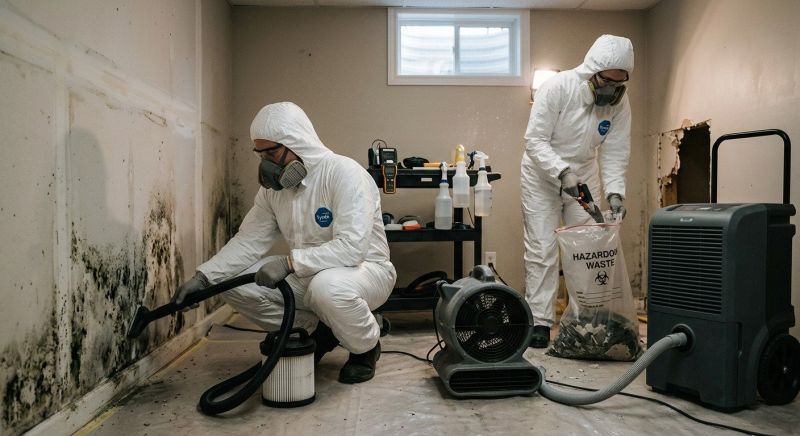
Mold Removal Solutions
Comprehensive cleaning and remediation to eliminate mold from affected areas safely.
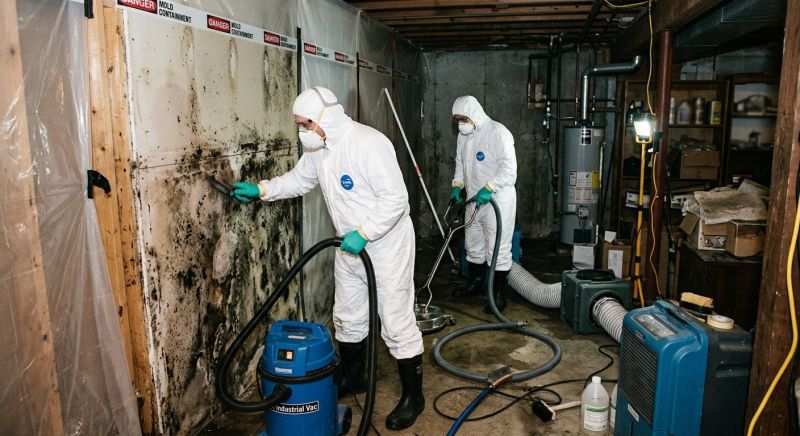
Post-Remediation Restoration
Restoring indoor air quality and property condition after mold issues are resolved.
Mold Restoration in Essex County, NJ
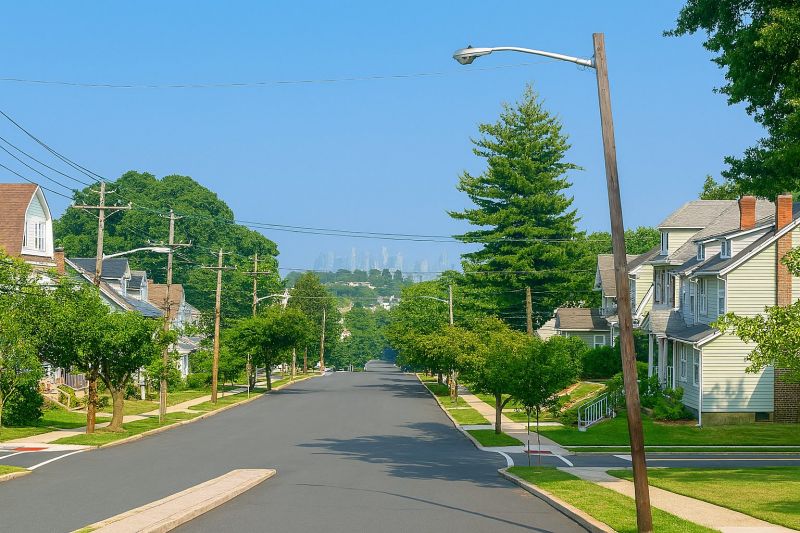
Mold restoration services focus on removing mold growth from residential properties and restoring affected areas to a clean, safe condition. This process typically involves identifying sources of moisture that promote mold development, carefully removing visible mold, and cleaning or treating surfaces to prevent future growth. Projects often include mold removal from walls, ceilings, basements, attics, or HVAC systems, especially in cases where water damage, high humidity, or leaks have created favorable conditions for mold to thrive.
Homeowners considering mold restoration usually want to understand the extent of mold presence, the types of materials that can be affected, and the steps involved in safely removing mold from their property. It’s important to assess whether the mold growth is confined to specific areas or widespread, as well as to determine if structural repairs or moisture control measures are necessary to prevent recurrence. Proper evaluation and treatment are essential for maintaining a healthy indoor environment and protecting property value.
Many property owners in Essex County, NJ look into Mold Restoration for repairs, replacements, upgrades, and appearance-related improvements.
Common Mold Restoration Jobs
Mold remediation - involves removing mold growth from affected areas to improve indoor air quality.
Water damage cleanup - addresses moisture issues that can lead to mold development in walls and ceilings.
Attic and crawl space mold removal - targets hidden mold sources in less visible parts of the property.
Basement mold restoration - restores mold-affected basement areas to prevent structural damage.
Post-mold inspection services - assesses the extent of mold growth and verifies complete removal.
Mold prevention treatments - applies solutions to inhibit future mold growth and moisture buildup.
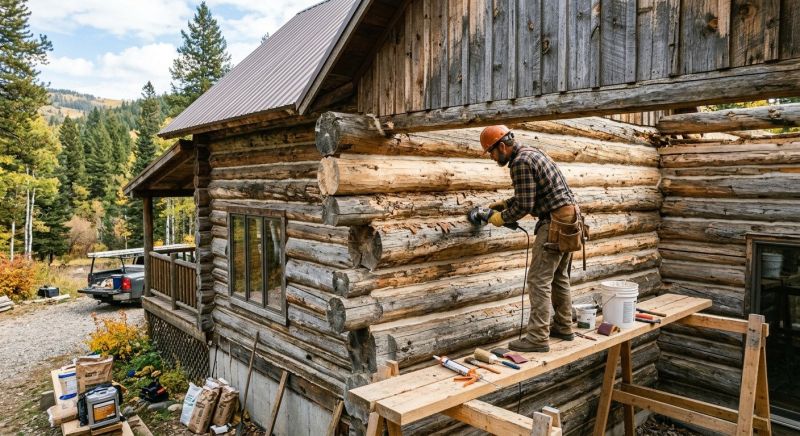
Mold Restoration Questions
What causes mold to develop indoors? Mold can grow due to excess moisture from leaks, high humidity, or poor ventilation in indoor spaces.
How can mold affect a property? Mold growth can lead to property damage and may cause health issues for occupants.
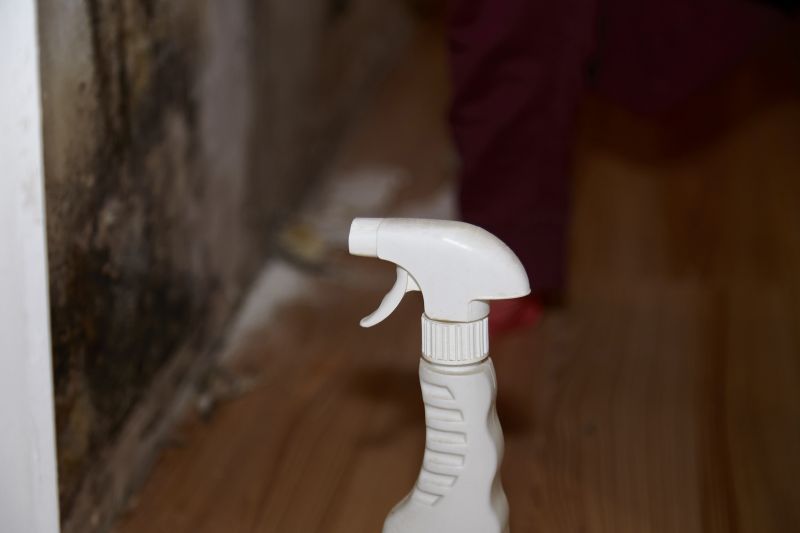
What are common signs of mold presence? Visible spots, musty odors, or recurring allergy symptoms can indicate mold growth.
What areas are most susceptible to mold? Bathrooms, basements, attics, and areas around leaks are common spots for mold development.
Request Mold Restoration in Essex County, NJ
Use the quote form on this page to share the basics of your project and request more information for the type of work you need.