Mold Control in Essex County, NJ
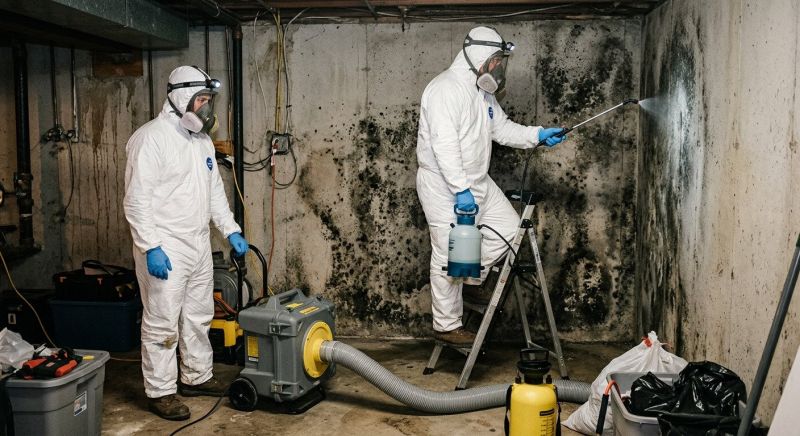
Mold control services focus on identifying and removing mold growth within residential properties to promote a healthier living environment. These services typically cover projects such as mold remediation in basements, attics, bathrooms, and other areas prone to excess moisture. Property owners often seek mold control to address visible mold patches, persistent musty odors, or moisture issues that could lead to mold development. Understanding the extent of mold presence and the underlying moisture sources is essential before requesting services, as effective removal often involves addressing both the mold itself and the conditions that support its growth.
Homeowners should be aware that mold control involves thorough cleaning, removal, and sometimes moisture management strategies to prevent future growth. Common projects include mold removal from surfaces, ventilation improvements, and addressing leaks or humidity problems. Clarifying the scope of work, the types of mold involved, and any health concerns can help property owners make informed decisions. Proper assessment and planning are key to ensuring that mold issues are effectively managed and that the indoor environment remains healthier and safer.
Many property owners in Essex County, NJ look into Mold Control for repairs, replacements, upgrades, and appearance-related improvements.
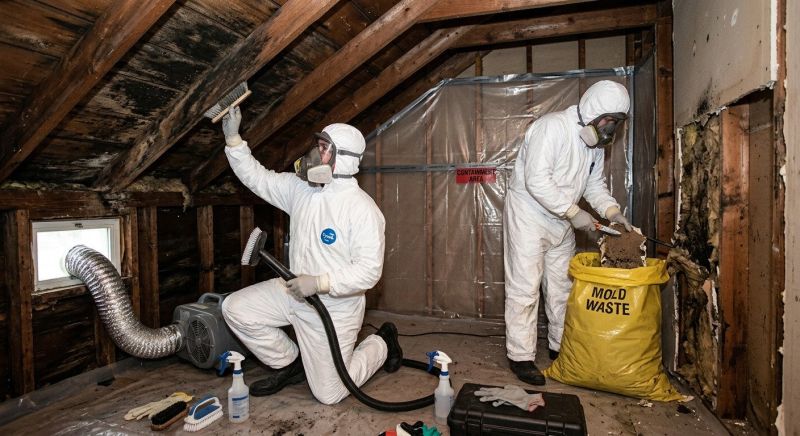
Identifying Mold Growth
Recognizing signs of mold in basements, bathrooms, and attics helps prevent health issues and property damage.
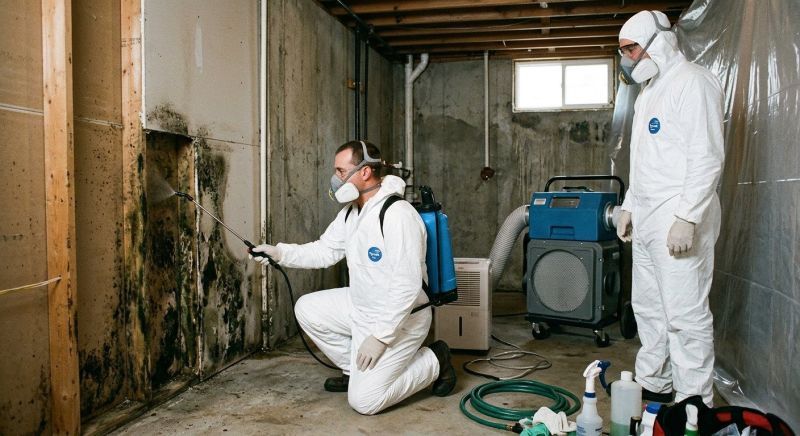
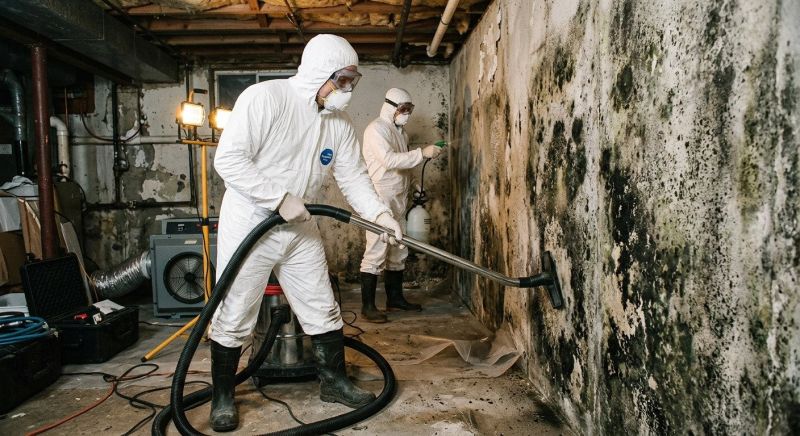
Effective Mold Removal
Professional mold control services safely eliminate mold and reduce the risk of future growth in residential and commercial spaces.
Preventative Solutions
Implementing moisture control and ventilation measures can help maintain a mold-free environment in essex county homes.
Mold Control in Essex County, NJ

Mold control services focus on identifying and removing mold growth within residential properties to promote a healthier living environment. These services typically cover projects such as mold remediation in basements, attics, bathrooms, and other areas prone to excess moisture. Property owners often seek mold control to address visible mold patches, persistent musty odors, or moisture issues that could lead to mold development. Understanding the extent of mold presence and the underlying moisture sources is essential before requesting services, as effective removal often involves addressing both the mold itself and the conditions that support its growth.
Homeowners should be aware that mold control involves thorough cleaning, removal, and sometimes moisture management strategies to prevent future growth. Common projects include mold removal from surfaces, ventilation improvements, and addressing leaks or humidity problems. Clarifying the scope of work, the types of mold involved, and any health concerns can help property owners make informed decisions. Proper assessment and planning are key to ensuring that mold issues are effectively managed and that the indoor environment remains healthier and safer.
Many property owners in Essex County, NJ look into Mold Control for repairs, replacements, upgrades, and appearance-related improvements.
Common Mold Control Jobs
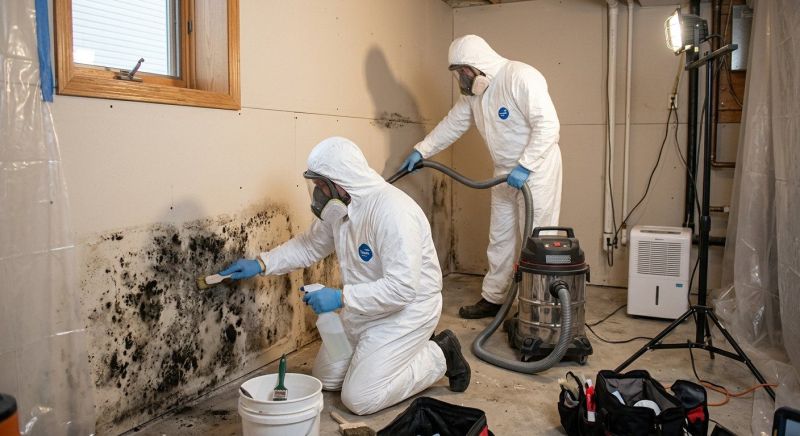
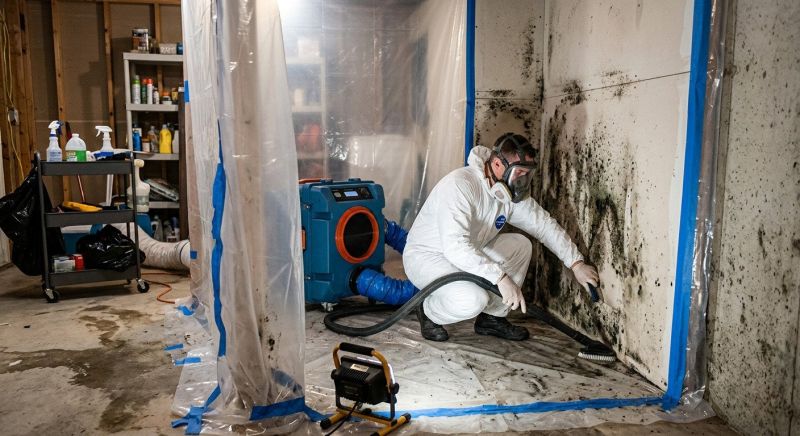
Mold remediation - removal of mold growth from indoor surfaces to improve air quality.
Mold prevention - implementing strategies to inhibit future mold development in damp areas.
Moisture control - identifying and reducing sources of excess humidity that promote mold growth.
Structural drying - drying out affected building materials after water damage to prevent mold spread.
Attic and basement mold services - addressing mold issues in often damp, hard-to-reach areas of a property.
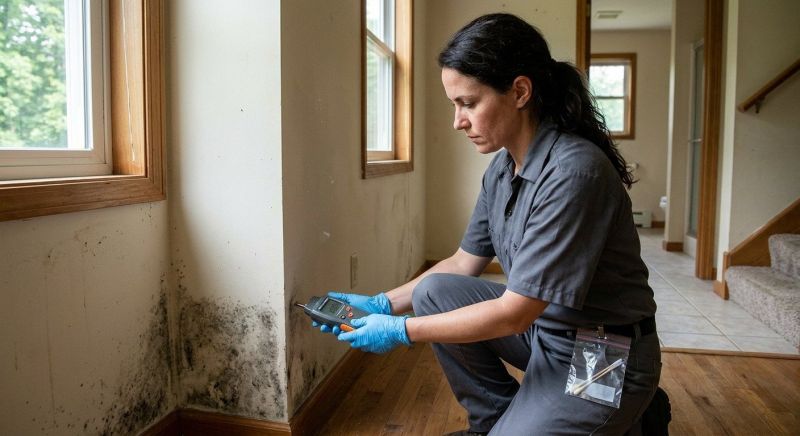
Air quality testing - assessing indoor air for mold spores to determine the need for treatment.
Mold Control Questions
What causes mold to develop indoors? Mold can grow in areas with moisture, such as leaks, high humidity, or poor ventilation, providing a suitable environment for spores to thrive.
How can property owners prevent mold growth? Controlling moisture levels, fixing leaks promptly, and ensuring proper ventilation are key steps to prevent mold from forming.
What types of surfaces are most prone to mold? Porous materials like drywall, ceiling tiles, carpeting, and wood are more susceptible to mold colonization.
Is mold control necessary after water damage? Yes, removing excess moisture and addressing mold growth are important to prevent health issues and property damage.
Request Mold Control in Essex County, NJ
Use the quote form on this page to share the basics of your project and request more information for the type of work you need.